It’s chocolate season! With Valentine’s Day just around the corner, the deep, dark, delicious sweet treat is splashing its way across the shelves and corners of nearly every food market and gift shop. The benefits of chocolate are touted across packaging and headlined in countless articles (including this one) — but is chocolate really a superfood measuring up alongside blueberries, green tea and chia seeds?
Here’s what we know: Studies have found dark chocolate to be highly nutritious and rich in antioxidants with the potential to improve blood flow, lower blood pressure, enhance skin quality, reduce inflammation, and even improve blood flow to the brain. In fact, chocolate was historically eaten for its purported healing properties.
Americans spend billions (more than $21 billion in 2024, to be exact) of dollars on chocolate annually. So, does that equate to billions of touted health benefits?
Before we dig into health benefits – let’s start with the basic processing of chocolate.
All chocolate (dark, milk, nibs, bars, chips, cocoa powder, cacao, and yes, even white) begins its journey as a fruit on the cacao tree. The seeds that grow inside these fruits are called cacao (also cocoa) beans. After harvest, beans are fermented, roasted, and shelled; the inner pieces (“nibs”) are ground into cocoa (chocolate) liquor, a paste that contains nonfat cocoa solids and cocoa butter.
On labels, “percent cacao” refers to the proportion of cocoa liquor in the product; pressing out some cocoa butter from this liquor yields cocoa powder. Chocolate is made by combining cocoa liquor with cocoa butter and sugar; adding condensed or powdered milk makes milk chocolate. In the United States, milk chocolate is the most commonly consumed type and typically contains ~10–12% cocoa liquor. “Dark” chocolate (often labeled semisweet/bittersweet) must contain ≥35% cocoa liquor by weight, whereas white chocolate contains only cocoa butter (≥20%) with sweeteners and dairy ingredients. (1)
So, is there a way to work chocolate into a balanced, healthy diet? Absolutely – but pay attention to the cocoa content and portion sizes.
THE HEALTH BENEFITS OF CHOCOLATE
1. ANTIOXIDANT POWER
Flavonoids are a type of polyphenol found naturally in plants that help protect them from environmental stressors. They’re extra potent antioxidants and found highly concentrated in cocoa beans (a fruit!). In high doses, these powerful compounds carry anti-oxidative, anti-inflammatory and anti-carcinogenic properties, which may prevent cellular damage. More than 10% of the weight of cocoa powder is flavonoids — that’s rich!
2. HEART HELPERS
Cocoa beans are rich in flavonoids, especially in flavanols.(1) Flavanol is responsible for the bitterness we often taste in raw chocolate. (1) Cocoa flavanols may support heart health by helping blood vessels relax to maintain healthy blood flow and by modestly lowering blood pressure. (2)
3. GOOD GUT BUILDERS
Two of the most potent flavonols in chocolate are epicatechin and catechin, which increase blood antioxidant activity, decrease oxidative stress, and may even promote better gut health. (3) The presence of both epicatechin and catechin may improve the quality of the bacteria in our gut microbiota, increasing our “good bugs” and reducing the number of pathogenic bacteria. The darker the chocolate the better, as these effects were reduced when combined with milk.
4. IMMUNITY BOOSTERS
The antioxidants in cocoa beans help reduce oxidative stress by inhibiting and lowering the amount of free radicals in the blood stream. (3) Free radicals have the ability to send our immune systems into overdrive! (4)
5. BRAIN BOOSTERS
Theobromine and caffeine are the energy-boosting components found in chocolate. Both of these substances block adenosine receptors, helping you feel more alert. When adenosine binds to its receptors, it slows neural activity and you begin to feel sleepy. (5) But, the reality is, most of these compounds are found in very small quantities in the chocolate we eat. It’s more likely the experience we undergo while eating chocolate — that moment of instantly satisfying a food craving — is responsible for the “euphoria” we often feel after nibbling a few bites.
So, can we have our chocolate cake and eat it, too? Yes, but the darker and less sweet the chocolate, the better. Here are the benefits of consuming chocolate in its varied forms.
THE BENEFITS OF DIFFERENT CHOCOLATE FORMS

Cacao nibs, in pure form, have a beneficial nutrient profile. Not only are they rich in flavonoids and antioxidants, but cacao nibs are also high in protein and fiber — with 5 grams of fiber and 2.5 grams of protein in just 2 tablespoons of nibs. But they aren’t sweet. Cacao nibs are just crushed and dried cacao beans, so they contain all of the fiber, fat, and nutrients a cacao bean does. In its raw, rare form, chocolate contains no sugar. All sugar is added in processing. The nibs are earthy and slightly bitter, with a crunch much like coffee beans.
- Stir nibs into chia pudding.
- Toss them into granola, granola bars and energy bites.
- Fold them into waffle and pancake batters.
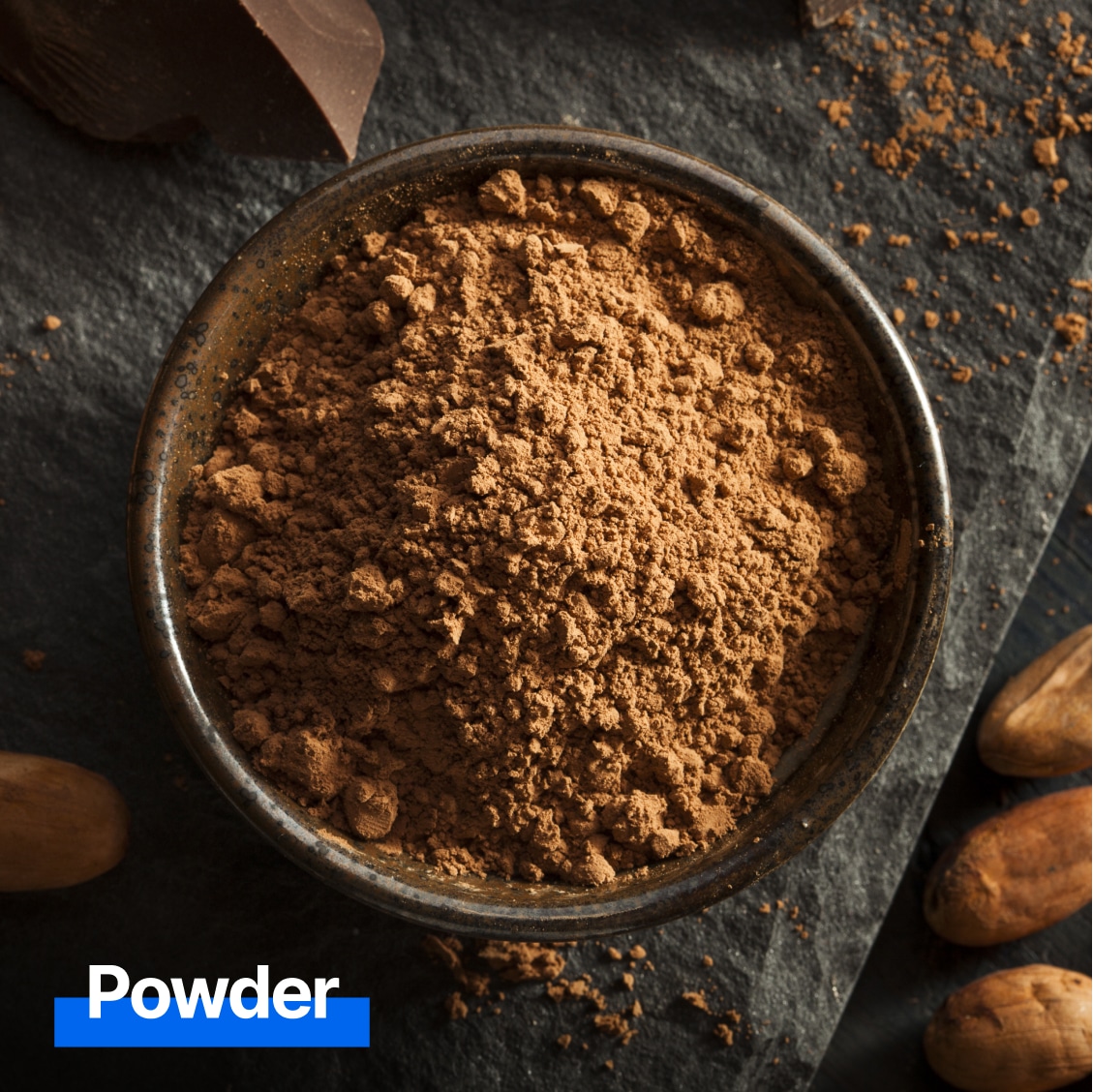
Cocoa powder (and cacao; more on the difference, below) is made by removing cocoa butter from the liquor that comes from crushed nibs.Unlike most other forms of chocolate, cocoa powder is low in calories (about 12 per tablespoon). It’s also rich in minerals like magnesium, copper and iron.
Cacao powder is very similar, but closer to its raw state than cocoa powder, as cocoa goes through an additional layer of high-heat roasting and processing. This “Dutch processing” removes some of the bitterness, but also some antioxidants.
- Blend into smoothies.
- Bake into muffins or zucchini bread.
- Mix it with other healthy fruits like avocados or bananas for a delightfully refreshing sweet treat.

Here’s where chocolate starts to get complicated. Every bar is different. Most have a lot of sugar, milk solids, fats and even additives mixed in with the raw, healthy chocolates mentioned above mitigating and diluting most of the benefits. Bars that have more than 70% cacao are going to have more antioxidants than milk chocolate. A high-quality bar that’s concentrated can often satisfy a sweet craving in a bite or two, so find a dark bar you love and nibble sensibly.

If you are aiming to increase your antioxidant intake, this category of sweets is not likely the best place to find them! While MyFitnessPal has quite the library of better-for-you baked goods that contain chocolate, you are better off steering clear of foods that contain a lot of added sugars, calories, and refined flours.
THE BOTTOM LINE
It’s the cocoa bean, in whole form, not the chocolate bar, that carries health benefits. The more processed the chocolate, the fewer the benefits. If you really want to increase your antioxidant intake, work powders and nibs into healthy dishes to boost both flavor and benefits.
Originally published February 2022, updated January 2026
The post The Health Benefits of Chocolate appeared first on MyFitnessPal Blog.